Moroccan Jewish Culture Museum, A New Space Dedicated to Memory and living together
Fez – Following the High Instructions of HM King Mohammed VI, the Museum of Moroccan Jewish Culture was inaugurated on Monday in Fez, establishing a new space dedicated to the preservation and promotion of an essential component of the national heritage, in all its historical, cultural, and spiritual richness.
The museum, which aligns with the Royal vision giving a central place to preserving and promoting all components of Moroccan identity in their diversity and complementarity, was inaugurated during a ceremony marked by the presence of the Minister of Habous and Islamic Affairs, Ahmed Toufiq; the President of the Foundation for Judeo-Moroccan Cultural Heritage, Serge Berdugo; the President of the National Museums Foundation (FNM), Mehdi Qotbi; the Wali of the Fez-Meknes region and Governor of the Fez prefecture, Khalid Ait Taleb; as well as ambassadors and distinguished figures.
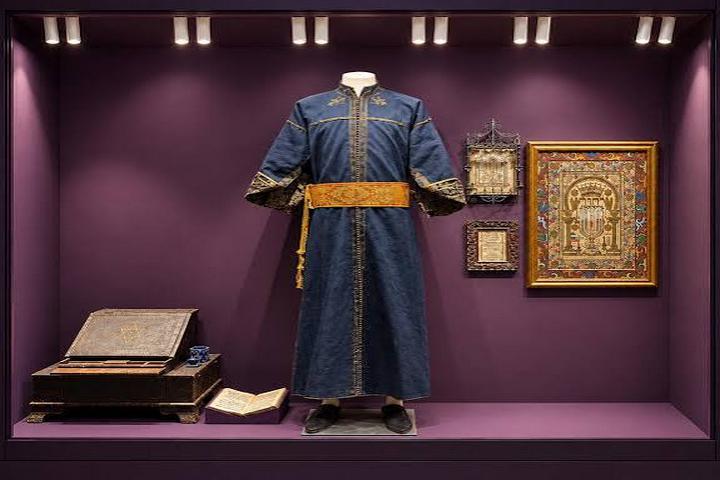
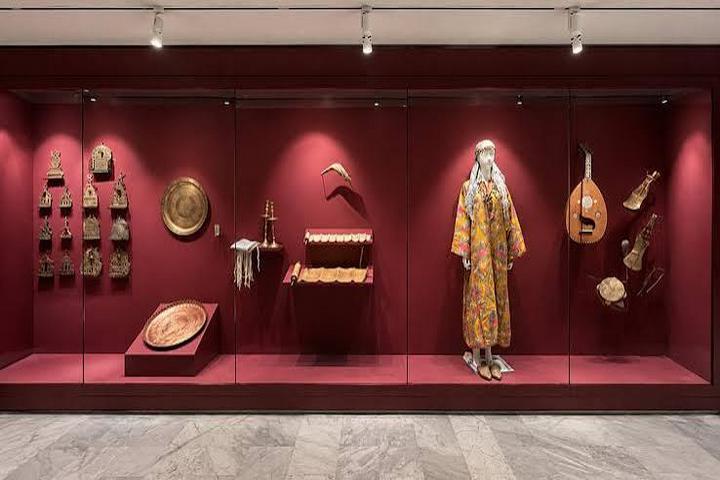
Located in the heart of the Fez Mellah, this new museum institution offers an immersion into the thousands-of-years-old history of the Jewish presence in Morocco through a diverse collection of ritual and everyday objects, archaeological, ethnographic, and artistic pieces, as well as rare archives, books, and manuscripts.
The inauguration of this museum illustrates Morocco’s commitment to the values of coexistence and respect for shared values, even during periods of uncertainty,” stated Mr. Ahmed Toufiq, emphasizing that this initiative, rooted in history, looks toward the future and carries a message in favor of life and the bridging of cultures.
The Minister noted that this initiative also holds a symbolic dimension, contributing to a better understanding between communities and highlighting the diversity of Moroccan Jewish culture, particularly in its linguistic expressions.
The scope of this project, he specified, lies in the recognition of human difference and the ability to live together in respect of common values, in accordance with the Kingdom’s spiritual framework.
For his part, Mr. Serge Berdugo indicated that the museum serves as a space for knowledge, memory transmission, and dialogue, highlighting the richness of Moroccan civilization and the contribution of its various components to building a shared heritage.
He stressed that this structure is part of HM the King’s vision for the preservation and promotion of national heritage, based on the recognition of the Kingdom’s plural identity, noting that cultural diversity constitutes an essential component of the national identity.
In a world facing challenges that test coexistence, the Moroccan experience serves as a source of inspiration, he estimated, adding that knowledge of the other, respect for differences, and the recognition of shared legacies represent key levers for building a society based on peace and dialogue.
For his part, the President of the FNM, Mr. Mehdi Qotbi, described the facility as an “hymn to peace, brotherhood, coexistence, and living together.”
In these difficult times, Fez is sending a strong message to the world,” he emphasized, highlighting the symbolic scope of this museum, which bears witness to the richness of Morocco’s plural identity and the contribution of its different components to building a common history.
Qotbi also highlighted the museum’s proximity to the Museum of Arab-Islamic Arts, located just about a hundred meters away as the crow flies, estimating that this proximity fosters a natural and harmonious dialogue between the two spaces and illustrates the richness and diversity of Moroccan heritage.
The kickoff for the museum’s construction works was given by the Sovereign during His visit to Fez in April 2019, as part of the rehabilitation and enhancement program for the old medina. This visit had also marked the launch of restoration work on the Al-Batha Palace, transformed into the Museum of Islamic Arts, which opened its doors to the public in 2025. Located about a hundred meters from each other as the crow flies, both institutions constitute complementary spaces for heritage promotion and dialogue between the different components of Moroccan identity.
The establishment is built on a site donated by the Jewish community of Fez in the Mellah, whose founding dates back to 1438. This historic neighborhood, among the oldest organized Jewish quarters in Morocco, gives the museum a special dimension by embedding its journey within the urban, architectural, and religious environment that shaped the life of the city’s Jewish community.