Taste of Moroccan Hospitality
Moroccan hospitality is a sacred cultural value rather than a basic customer service interaction. It is deeply rooted in Arab and Amazigh traditions, Islamic values, and a view of the guest as a blessing or gift to the household. In both Arab and indigenous Amazigh (Berber) traditions, a guest is not viewed as an interruption, but as a spiritual blessing (baraka) brought to the home. Hosts believe that welcoming someone brings good fortune and fulfills a sacred religious and social duty. This is why families will frequently offer visitors the absolute best portions of a meal, even if it means the hosts eat less themselves.
Core Elements of Moroccan Hospitality
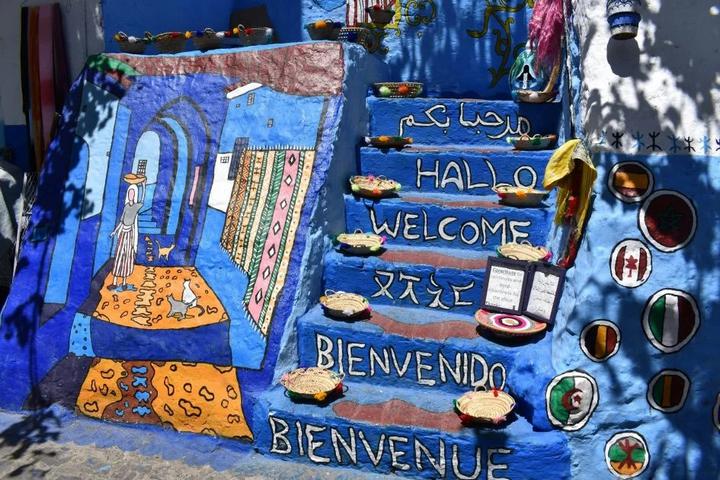
The Greeting (Marhaba): The word for “welcome” is heard everywhere—from family homes and traditional riads to local shopkeepers—and sets a warm, open tone immediately.
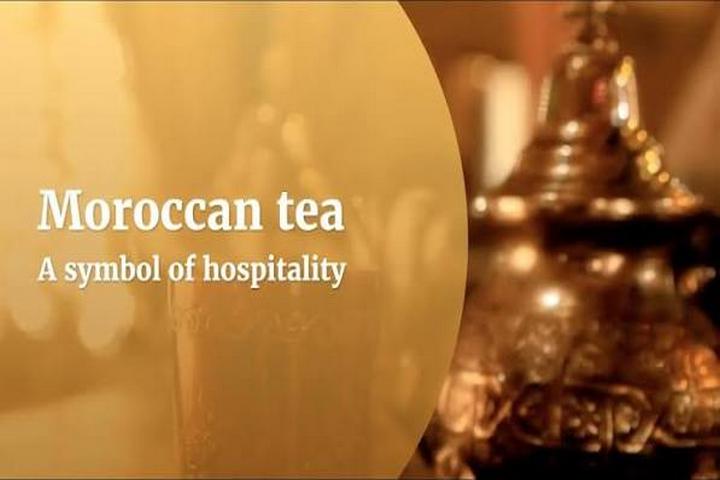
The Mint Tea Ritual (Atai): Serving sweet mint tea (often called “Moroccan whiskey”) is the universal symbol of friendship and respect. It is poured from a height to create a light foam and is typically offered across three rounds of conversation.
Generosity with Food: Guests are fed abundantly. A simple visit often turns into a spread of fresh bread, olive oil, Moroccan salads, and a hearty tagine. Refusing food or tea can quietly hurt the host’s feelings, as giving is seen as a point of honor.
Uncertainty and Slow Time: Hospitality is unhurried. Hosts make time for conversation, letting visits stretch out without feeling rushed or transactionalOpen Doors in Rural and Urban Areas: In villages or quieter neighborhoods, strangers are frequently invited into private homes for tea or directions with no expectation of payment or return